Description
Pallet Trucks and Stackers Product Overview
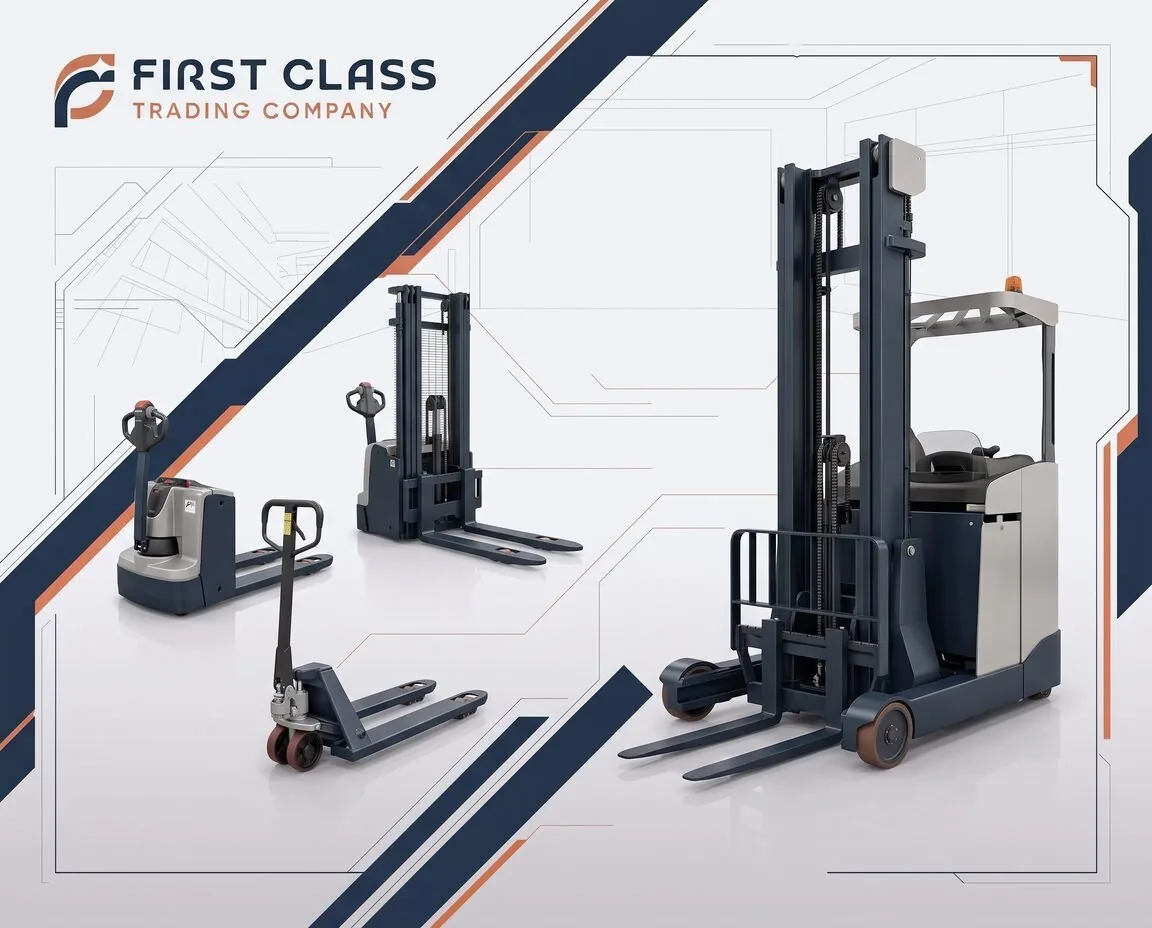
Pallet trucks and stackers are material-handling equipment for moving pallets and, where required, placing them at a working or storage level. The approved range includes manual pallet trucks, electric pallet trucks, stackers and reach trucks. These are distinct product families, selected according to the movement and stacking task rather than by name alone.
A useful request describes where the pallet starts, where it must go and whether lifting or racking access is involved. The product family does not establish a universal rated capacity, lift height or equipment size. Those model-dependent details must be reviewed against the buyer’s actual pallet, load and site conditions.
Pallet Trucks and Stackers Features and Selection
Manual and electric pallet trucks address pallet movement, while stackers and reach trucks may be considered where the task includes placing a pallet at height. The appropriate route through the warehouse, the available aisle and the required lift operation all affect the equipment review.
Include pallet dimensions, load requirement, required lift height, aisle width, travel distance, floor conditions and the preferred power source in the enquiry. These are buyer requirements, not specifications assigned to every product shown here. Existing pallet, racking or handling-equipment details can also help the supplier assess the requested configuration.
Pallet Trucks and Stackers Applications and Technical Information
This equipment is used in warehouse and material-handling operations where pallets need to be transferred, positioned or stacked. Explain the handling sequence, operating area and any interface with storage or loading activity. That context makes it possible to assess whether simple horizontal movement or a lifting task is required.
Technical suitability varies by product and model. The native Additional Information table below records the approved product families and the main selection fields. Request confirmation of the proposed unit against the relevant pallet compatibility, working conditions and installation constraints before making a procurement decision.
Should I request a pallet truck, stacker or reach truck?
Choose according to the required handling task. Describe whether the pallet only moves across the floor or must also be placed at height, then provide the site context for supplier review. The correct equipment category depends on that duty and the proposed configuration.
Why are pallet dimensions important in an RFQ?
Pallet dimensions help establish the required compatibility for the handling task. Include the pallet details you use, the load requirement and any relevant storage interface so the supplier can review the proposed item against your operation.
What warehouse conditions should be supplied with the request?
State the aisle width, travel distance, floor conditions and working environment. These factors affect the operating context and should be considered alongside the load and lift requirement rather than assumed from a generic equipment description.
How should I specify a power preference?
Indicate whether a manual or electric solution is required and describe the utility or charging context available at the site. Power arrangements are model-dependent, so the supplier should confirm the proposed equipment for the stated requirement.
Request a Quote for Pallet Trucks and Stackers
For pallet trucks or stackers, provide the pallet footprint and load, the highest storage position if stacking is needed, aisle restrictions, travel route and floor condition. State whether the job is horizontal transfer, low-level handling or racking placement, and include the charging or utility context only when an electric unit is requested.
Use First Class Trading’s contact page for the pallet-handling requirement. The supplier’s response should confirm pallet compatibility, the proposed travel or lift function, site fit and the quotation terms for that warehouse workflow.
Reviews
There are no reviews yet.